Sometimes a different setting changes what becomes possible.
Therapy does not always have to happen in a chair. When it supports the work, LiveStrong can incorporate nature, movement, animals, fishing, kayaking, play, challenge, shared experiences, groups, and more intentional time together.
The environment can become part of the work.
Some people talk more freely while walking. Some couples connect differently when they are away from the routines and pressure of home. Sometimes doing something together creates a conversation that sitting across from one another never quite reached.
LiveStrong’s rural setting gives us room to work differently when there is a clinical reason to do so. The goal is never novelty for novelty’s sake. The experience should serve the work.
More than one way to create meaningful therapeutic work.
The format depends on the person, the goals, the clinical need, safety, and what is appropriate. Some experiences are already part of our work; others are being developed as expanded LiveStrong offerings.
Nature & Outdoor Sessions
Walking through the woods, sitting by the pond, resting in a hammock, spending time outside, or simply changing the physical environment can create space for regulation, reflection, and conversation that feels different from a standard office session.
Animals & Experiential Work
Animals naturally exist throughout the LiveStrong environment. Ducks, chickens, rabbits, and other friendly animals—including Po, our famously social cat—can create moments of presence, connection, curiosity, and conversation without needing to become the entire focus of the session.
Couples Intensives & Getaways
We are developing more immersive couples experiences that create dedicated time away from everyday routines to work on connection, communication, repair, trust, intimacy, and the relationship a couple wants to build together.
Small Groups & Shared Experiences
LiveStrong is developing carefully structured small-group experiences around trauma, resilience, relationships, regulation, performance, and shared growth—including outdoor and fire-centered gatherings when they fit the purpose of the group.
There is more than one way to slow down, open up, reconnect, or challenge yourself.
These are not activities someone has to do in order to receive therapy. They are simply possibilities available within the LiveStrong environment when the experience makes sense for the work.
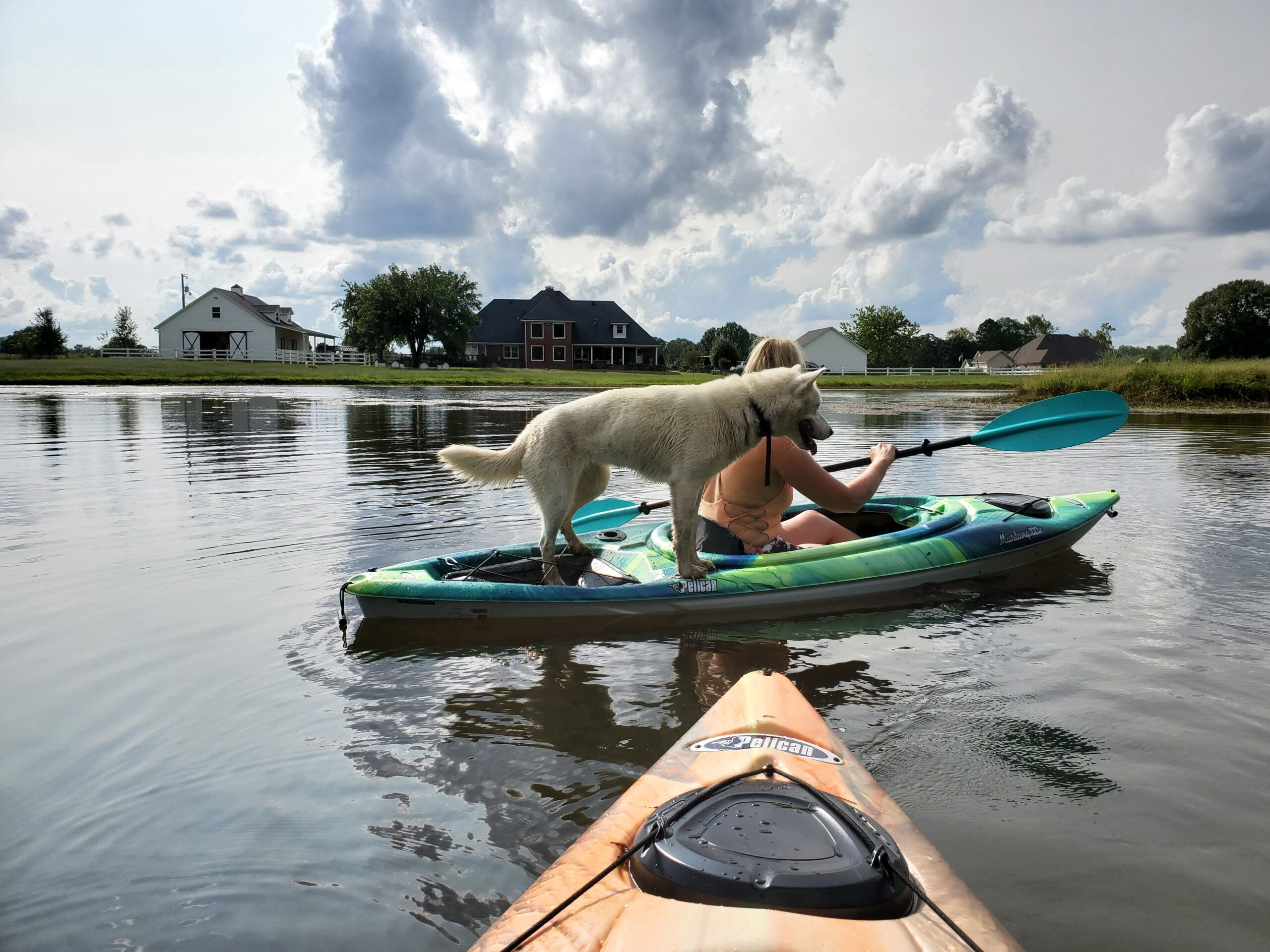
Fishing. Kayaking. Rhythm.
Movement, patience, challenge, shared attention, and space for conversation without forcing it.
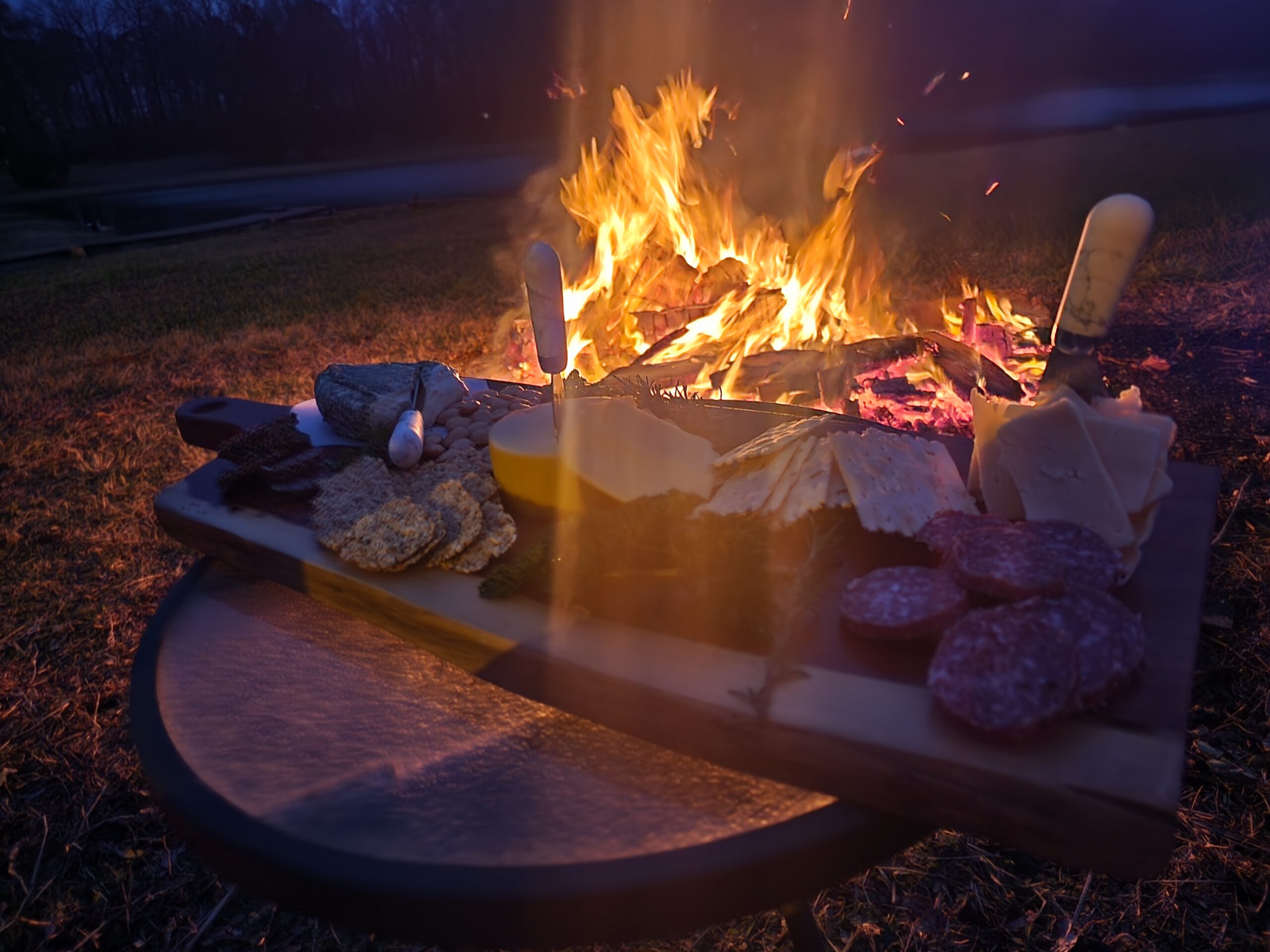
Warmth. Food. Conversation.
A different pace for connection, groups, couples, and shared experiences.
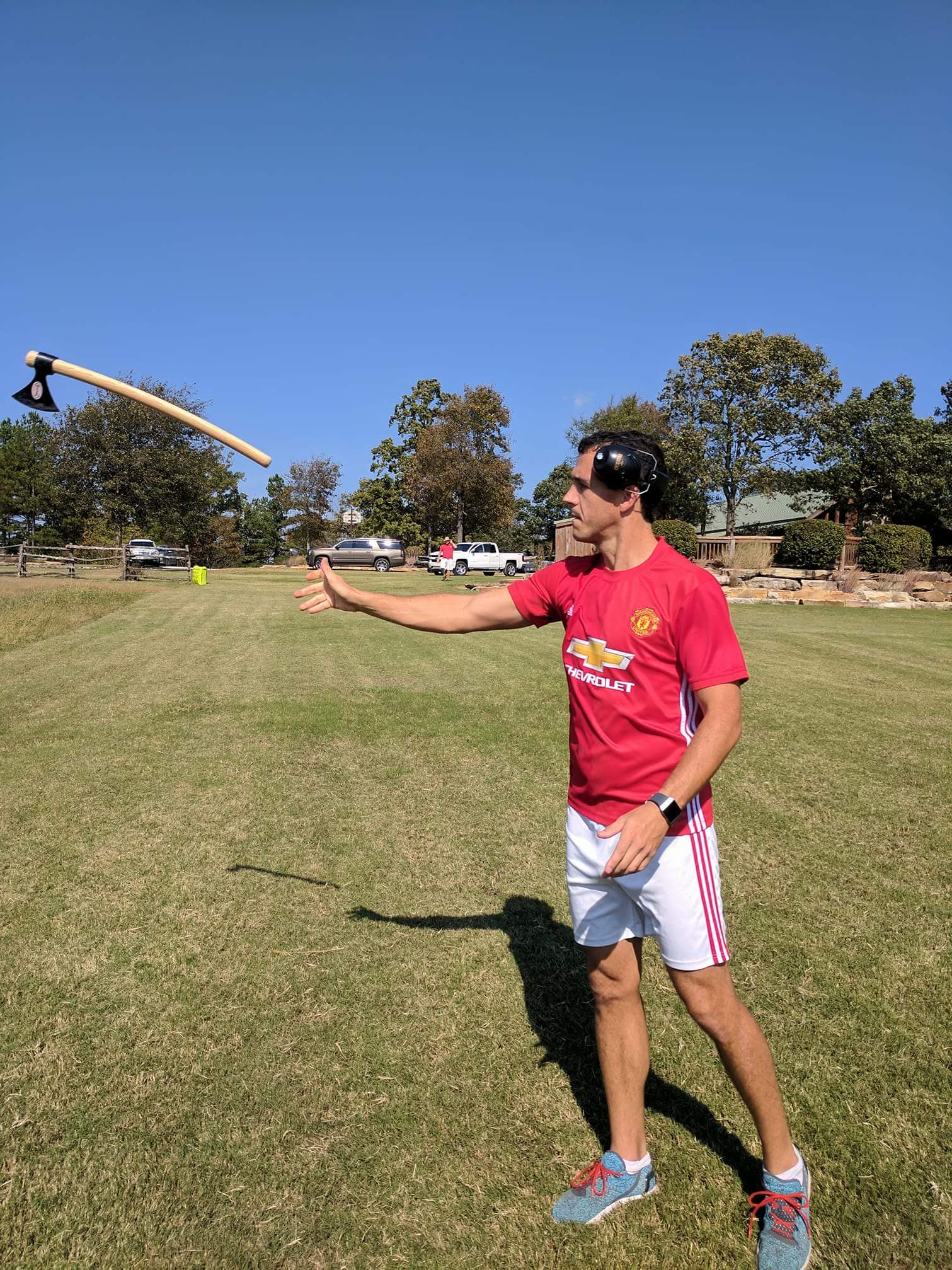
Axe throwing. Pool. Darts.
Challenge, frustration, confidence, communication, competition, laughter, and what happens when things do not go perfectly.
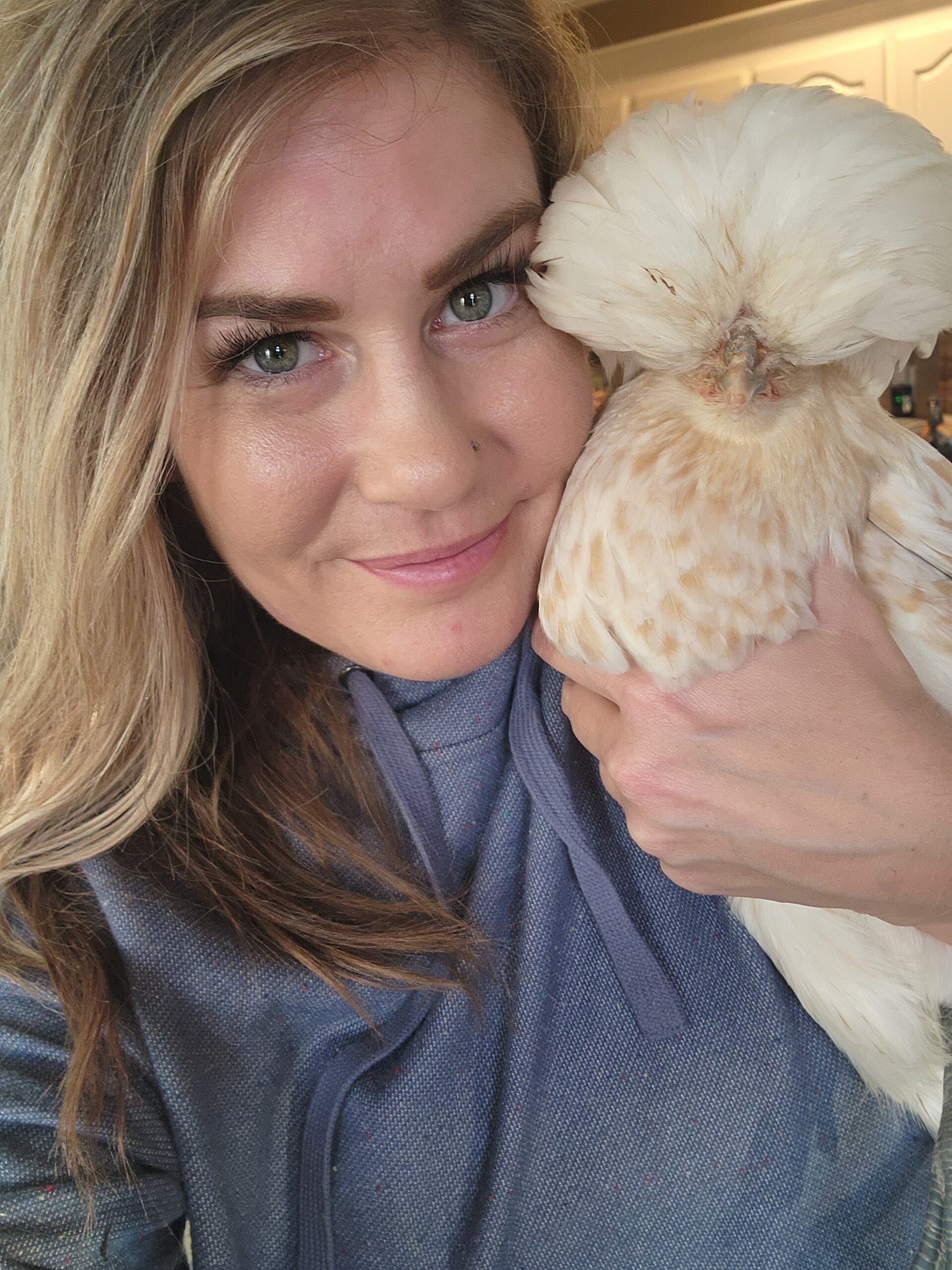
Presence. Curiosity. Connection.
Ducks, chickens, rabbits, Po, and the other personalities that make this place feel alive.
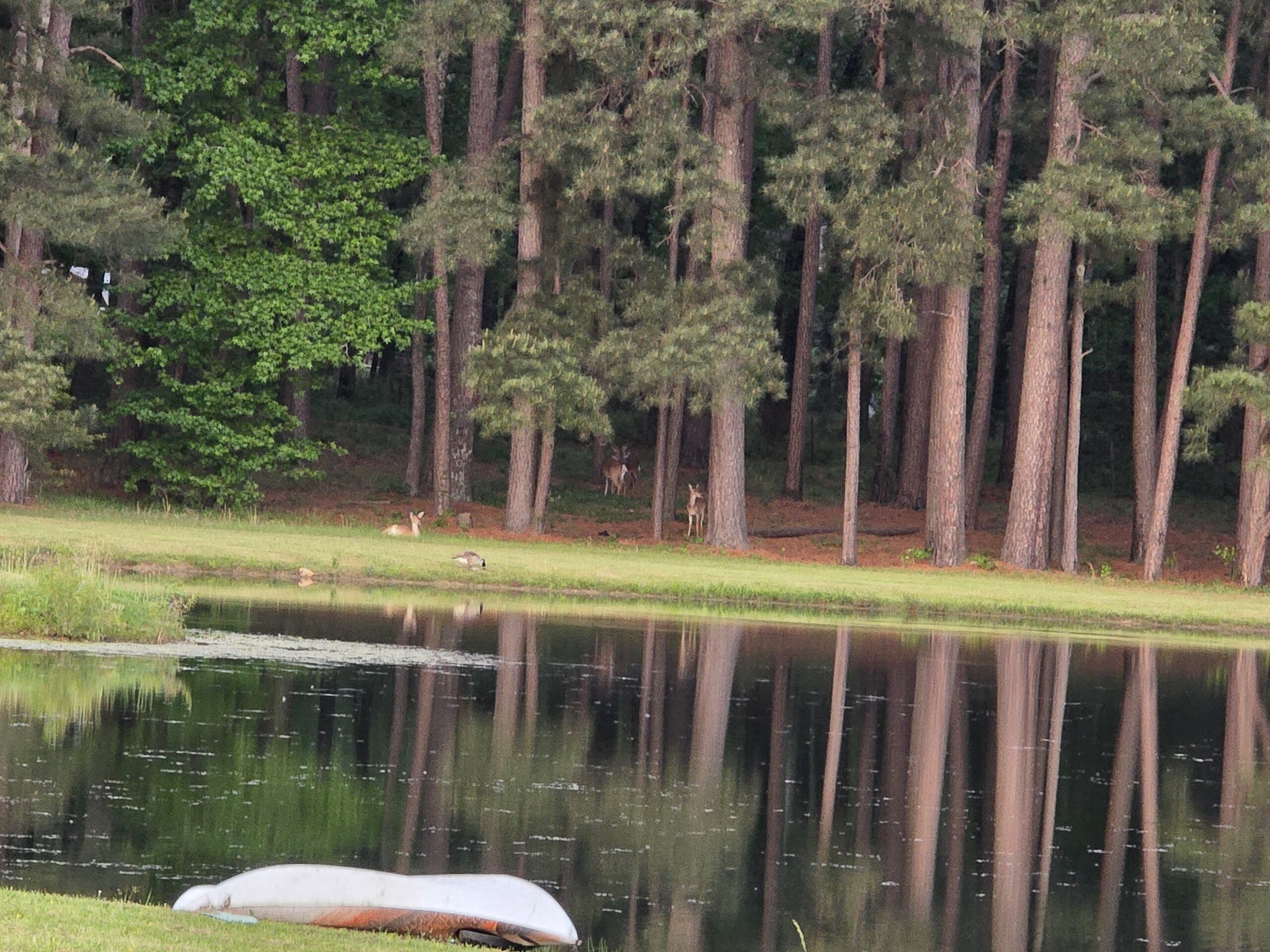
Walking. Hammocks. Quiet.
Sometimes slowing the nervous system down is the first useful thing that happens.
Sometimes doing something together changes the conversation.
Fishing is a good example. The point is not simply catching a fish. It can create patience, quiet, focus, shared attention, challenge, success, frustration, conversation, and a natural opportunity to notice what happens inside a person while something is unfolding.
The activity is not automatically therapeutic. What matters is how it connects to the goals, relationship, and work already happening.
Some conversations need more room than an office gives them.
Our Boma is inspired by the South African tradition of gathering together outdoors around a fire. For LiveStrong, it creates a natural setting for warmth, slowing down, conversation, shared food, couples experiences, small groups, and evenings designed around connection rather than rushing to the next thing.
We see the Boma becoming an important part of future couples experiences, retreats, trauma-processing groups, and other carefully designed LiveStrong programming.
Some experiences are stronger when we lead them together.
Sean and Fallon bring different strengths, perspectives, and styles to the work. For couples experiences, retreats, and selected groups, that combination allows us to create something that neither one of us would create in exactly the same way alone.
It is also part of why LiveStrong feels personal. This is not a program designed in a boardroom. It grows from the life, work, marriage, and values we are building together.
The setting can change. The intention does not.
There is a reason for it.
The activity or environment should connect to the goals of the work—not simply be something interesting to do.
The experience creates information.
How someone responds, connects, withdraws, persists, communicates, regulates, competes, plays, or recovers can become valuable material for therapy.
It comes back to real life.
The point is always to carry what is learned into relationships, decisions, performance, stress, and everyday life.
You do not need to know which experience is right for you.
Tell us what is happening and what you are hoping to change. We can decide together whether traditional therapy, experiential work, or a combination makes the most sense.
Request a Consultation